
Starlight Tools directory
Automotive & EV Calculators
41 free, browser-based tools. No account required.
- Free to use
- Runs in your browser
- No account required
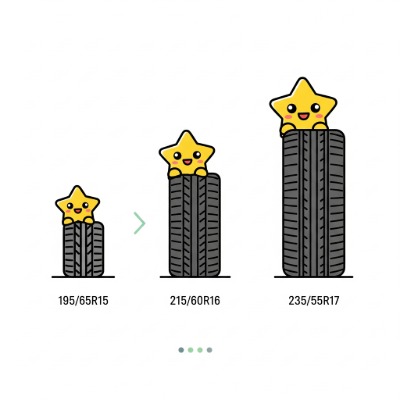
Calculate the numbers behind vehicle performance, loading, driving, maintenance, buying, and ownership. Compare front and rear brake-force distribution, estimate stopping distance, quarter-mile ET and trap speed, turbo pressure ratio and boost-related power gain, compare power-to-weight and ideal acceleration, find an exhaust pipe size reference from horsepower, check trailer weight, payload, tongue weight, and towing limits, compare passengers and cargo against payload and GVWR, calculate an engine coolant mixture, convert horsepower, torque, and RPM, estimate carburetor airflow, size fuel injectors, plan maintenance, find engine displacement, piston speed, or actual MPG, plan fuel stops, then compare car costs, financing, tires, and EV emissions. Every calculator runs privately in your browser and works on mobile without an account.


































Automotive calculator FAQs
What is the difference between MPG and L/100 km?
MPG measures distance traveled per gallon, so a higher number is better. L/100 km measures fuel consumed over 100 kilometers, so a lower number is better.
Can I use these tools for electric vehicles?
Yes. The category includes EV comparison tools, while the finance, tire, and ownership calculators can be used for either electric or combustion vehicles.
Do these calculators use live fuel prices or insurance quotes?
No. Enter your own current price or planning assumption. Results are estimates and all calculations run locally in your browser.
About these automotive and EV calculators
Vehicle decisions combine engineering measurements with recurring costs. This collection brings those calculations into one practical directory, from checking real-world fuel economy after a fill-up to comparing a loan, lease, used car, tire size, insurance estimate, or electric vehicle.
Use measured distance and fuel added for the most useful MPG result. For budgets, use prices and usage that reflect your own vehicle and location. Real consumption varies with traffic, weather, speed, load, tire pressure, terrain, and driving style, so calculator results are best treated as transparent planning estimates rather than guarantees.